Real Estate Investing vs. Real Estate Development: What Global Investors Need to Know
We recently attended an international real estate expo in Santiago De Chile and found that almost across the board, there was a misunderstanding about what it means to invest in real estate vs. develop real estate.
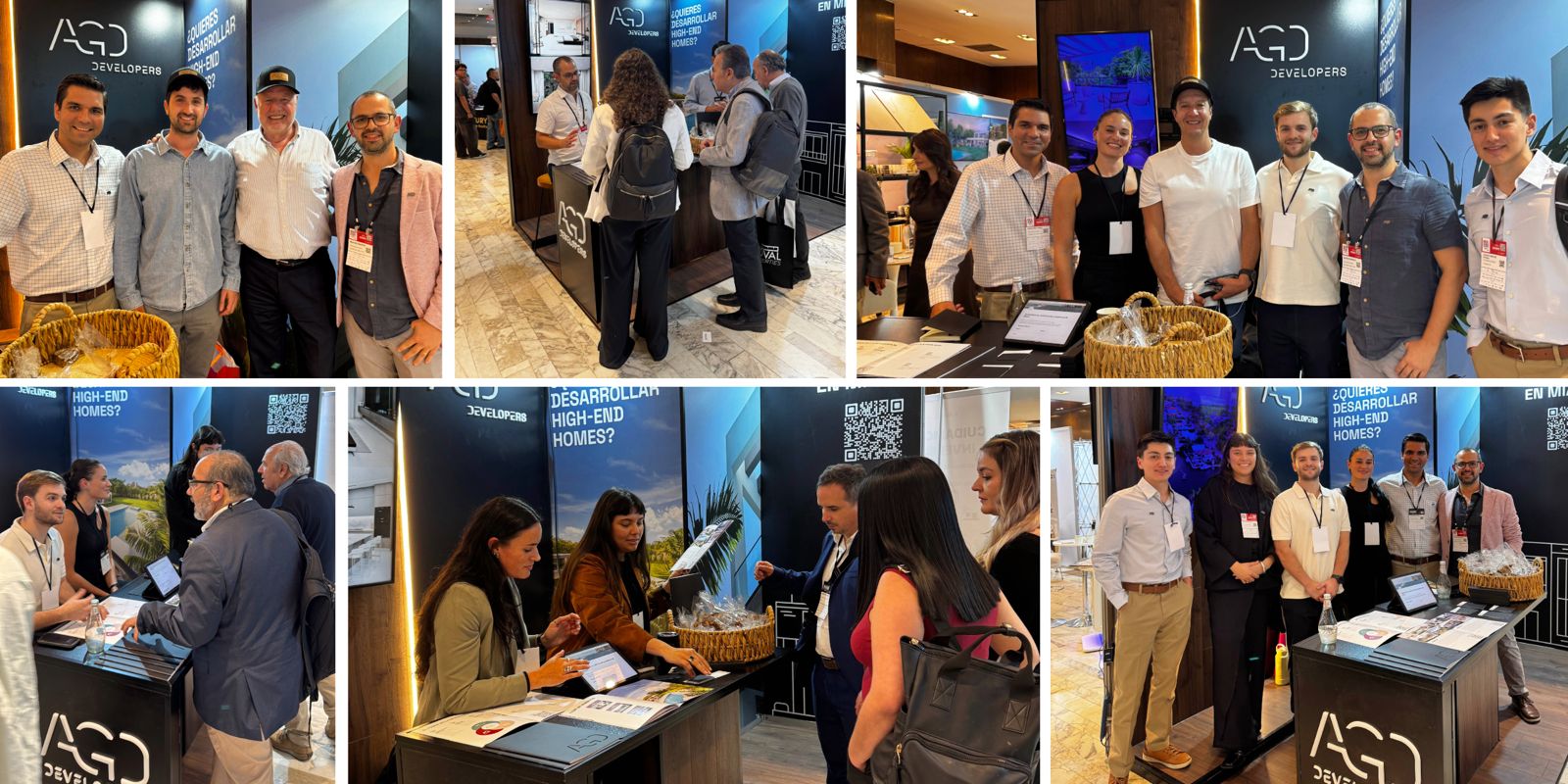
For almost the whole week spent in Chile, we kept hearing the same assumption: “Development is for developers. Investing is for investors”.
Talk about lost in translation!
What seems like a harmless semantic difference is actually a major limiting factor on returns.
Understanding real estate investing vs. real estate development matters because these aren’t just different strategies, they’re different wealth-building models with dramatically different outcomes. One preserves capital while generating modest returns. The other actively creates value and can deliver returns that make traditional investing look conservative.
If you’re evaluating Miami opportunities, here’s what you actually need to know about real estate investing vs. real estate development.
Traditional Real Estate Investing: The Model Everyone Knows
Buy a property. Find tenants. Collect rent. Achieve cash flow at net-zero cost. Pray you don’t need repairs. Assume it appreciates.
This is what most people mean when they talk about real estate investing. In Miami, well-managed rentals typically produce 4-5% cap rates. Stable, predictable, and for many international investors, safe enough.
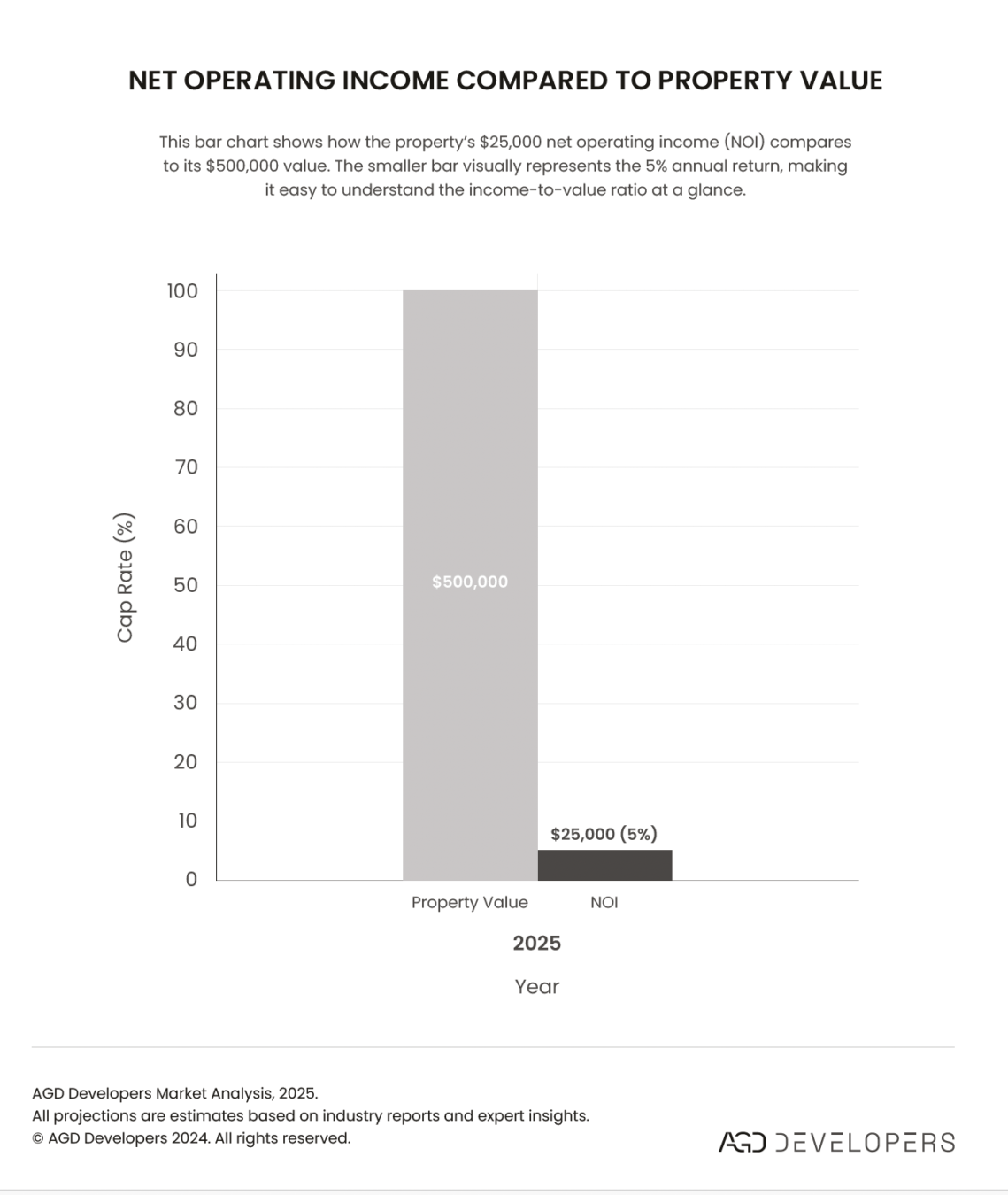
The math is straightforward: purchase price, rental income, operating expenses, net operating income divided by property value equals your cap rate. A $500,000 condo generating $25,000 annually after expenses delivers that 5% return.
But here’s what rental investing actually looks like over time. Tenant turnover every 18-24 months (forget about failure to pay, eviction stress and legal costs). Maintenance surprises that always cost more than expected. HOA fees that increase annually and come out of your pocket, not the tenant’s. Vacancy periods between leases. Property management problems if you’re managing remotely. Insurance costs that spike after every hurricane season.
The returns stay relatively flat while the headaches persist every single year you own the asset. You’re not building wealth so much as parking capital while earning modest income.
Now, that’s not criticism, it’s reality. We recently spoke to a local investor who had several rental properties and was incredibly relieved to sell them all given the constant stress of maintenance, emergencies, and lazy property managers.
Rentals work brilliantly for capital preservation and steady income. They just rarely accelerate wealth in the way you’re likely hoping for.
Real Estate Development: Creating Value Instead of Hoping For It
Now let’s talk about the other side of real estate investing vs. real estate development: the side most international investors misunderstand completely.
Development means buying land, designing projects, navigating permits, building homes, and selling them for profit. You’re not waiting for appreciation, you’re manufacturing it through the construction process.
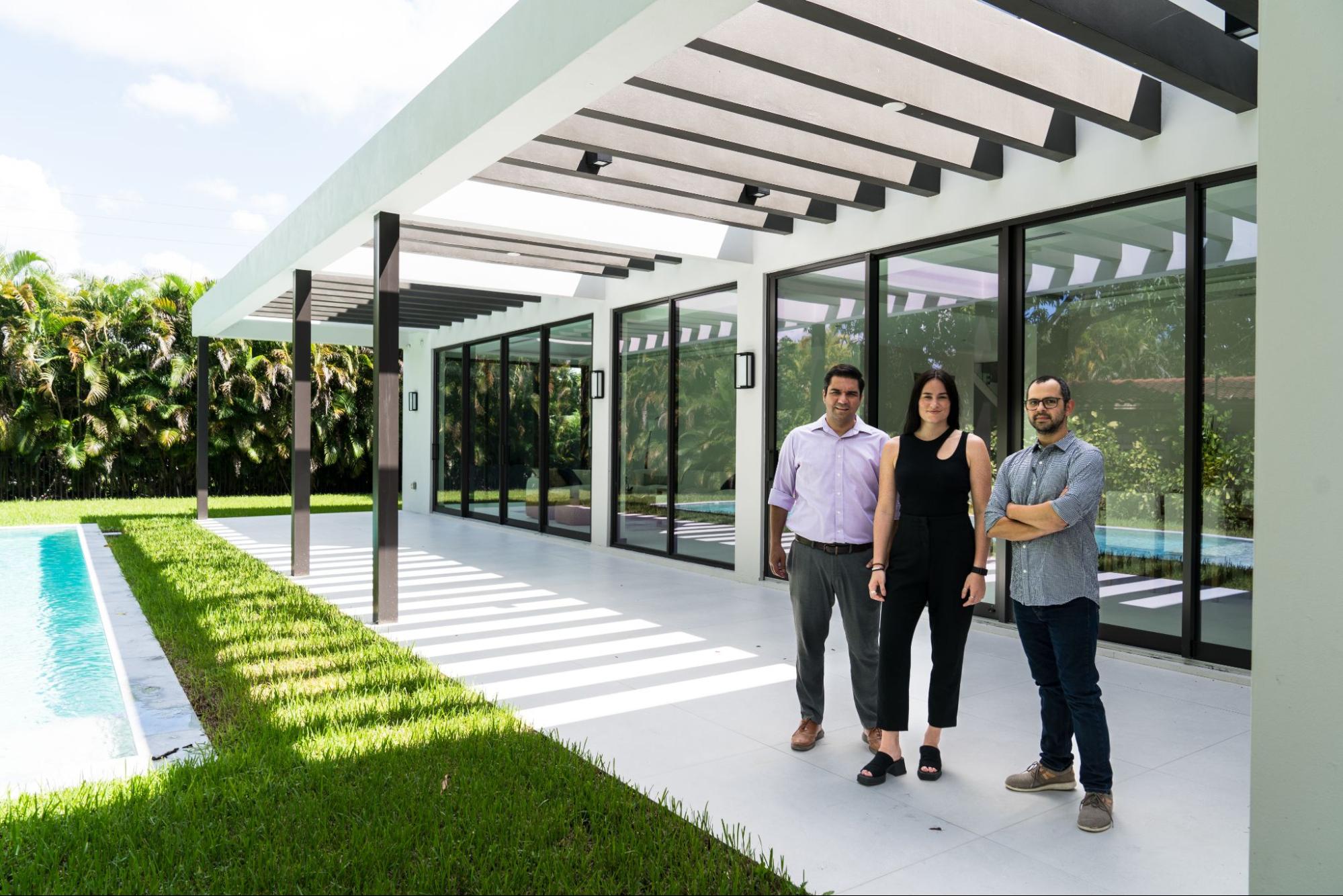
A typical Miami luxury project follows roughly a 29-month cycle broken up into preconstruction, design, permitting, and construction. When executed efficiently, projects like this can generate meaningful internal rates of return.
But here’s where it gets interesting: timing dramatically affects those returns. Reduce construction time by just two months and you can raise IRR by approximately 6.7 percentage points. Conversely, when developers fall into lengthy construction delays, they often see returns fall 15-20%, turning strong projects into mediocre ones.
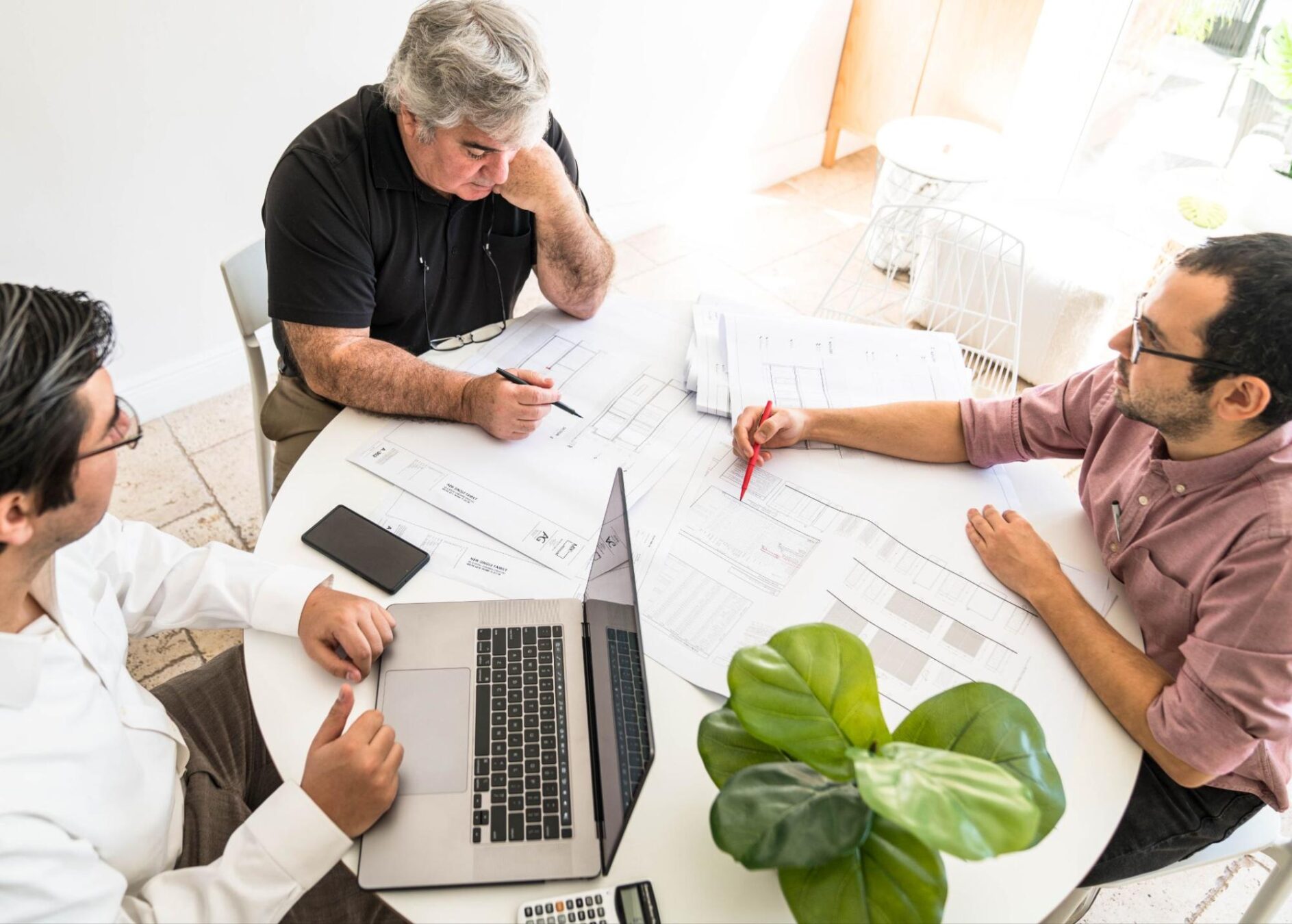
The AGD Team has an integrated construction team that understands the area, our designs, and our clients. They are on time, every time – when other developers will take you to a nice lunch, hoping they don’t have to answer too many questions. In the meantime, you can check out some insights directly from AGD’s office.
The Fractional Ownership Misconception
One thing we heard repeatedly at the Expo in Chile: development requires too much money to enter.
Not true.
Both rental properties and development projects can be fractionalized. You can participate with $10K, $25K, $100K or more depending on the project structure. Fractional investors become part-owners, receiving proportional returns based on their investment size.
Same entry point, completely different outcome.
How We Eliminate Development Risk While Maximizing Returns
Our approach to development focuses on removing the variables that create uncertainty for investors.
Speed matters more than anything else. We deliver projects faster than industry averages, which directly increases investor IRR. This isn’t about rushing; it’s about pre-selected opportunities, established processes, proven contractor relationships, and efficient permitting navigation that eliminates typical delays.
Location selection follows strict criteria. We only pursue projects in markets with proven demand, strong comparable sales, high-income buyer pools, efficient permitting environments, and scalable construction models. Not every Miami neighborhood qualifies, and we’re comfortable walking away from opportunities that don’t meet our standards.

Construction systems create predictability. Standardized approaches reduce variables, improve quality control, and maintain timeline discipline. The result is fewer surprises and more consistent outcomes.
Transparent communication builds confidence. International investors need visibility into project progress, financial performance, and timeline adherence. We provide regular updates and direct access because remote investors deserve the same confidence as local ones.
Track record demonstrates capability. We’ve generated over $70 million for investors through systematic execution of this model. That’s not a projection; it’s demonstrated performance across multiple projects and market conditions.
When comparing real estate investing vs. real estate development, the operator becomes the deciding factor. We’re built specifically to solve what international investors fear most: lack of transparency, unpredictable timelines, and unclear profit potential.
Which Investment Path Is Right For You?
If you prioritize absolute safety, completely predictable outcomes, and minimal complexity, traditional rental investing makes sense. You’ll earn modest returns while preserving capital and maintaining full control over a tangible asset.
If you want higher ROI, faster capital growth, sophisticated wealth building, passive exposure to Miami’s demand surge, and professional risk management, development offers substantially better potential.
One strategy preserves wealth. The other builds it.
If you’re still evaluating real estate investing vs. real estate development for your Miami opportunities, we’re happy to discuss how each model might fit your specific goals and timeline. No pressure, no sales pitch, just an honest perspective about what makes sense for where you are right now.
The Final Verdict: Choosing Your Vehicle
As we reflected on our conversations in Santiago, it became clear that the choice isn’t about whether you are rich enough to be a developer. It is about which set of risks and rewards aligns with your peace of mind.To summarize the “Lost in Translation” moment we witnessed at the Expo, here is the reality of the two paths:
Investing: You purchase an existing asset, like a condo, and rent it out.
The Reward: You aim for a Capitalization Rate (Cap Rate) of approximately 5%.
The Risk: The burden of ownership. While the tenant pays rent, you pay the expenses. The risks here are high HOA fees, special assessments, and ongoing maintenance costs that eat into your margin.
Developing: You build a new project on a specific terrain to sell it upon completion.
The Reward: You manufacture value, often achieving higher returns than simple rent.
The Risk: The Cycle. Development is defined by time. The risks here are operational—delays in sales, construction slow-downs, or stalling permits.
The Great Equalizer: Fractional Ownership
Here is the truth that changes the game: Both paths can be fractionalized. Whether you want to own a piece of a condo or a piece of a development project, you can enter the market with $10K, $25K, or $100K.
The barrier isn’t money; it’s management.
If you choose investing, you are betting that your tenant and the building’s management won’t cost you more than that 5% return.
If you choose developing, you are betting on the execution. And this is where AGD steps in. We know that the risk of development is time, delays in permits or construction. Because our team is integrated and local, we mitigate those specific risks. We turn the uncertainty of construction into a streamlined, transparent process.
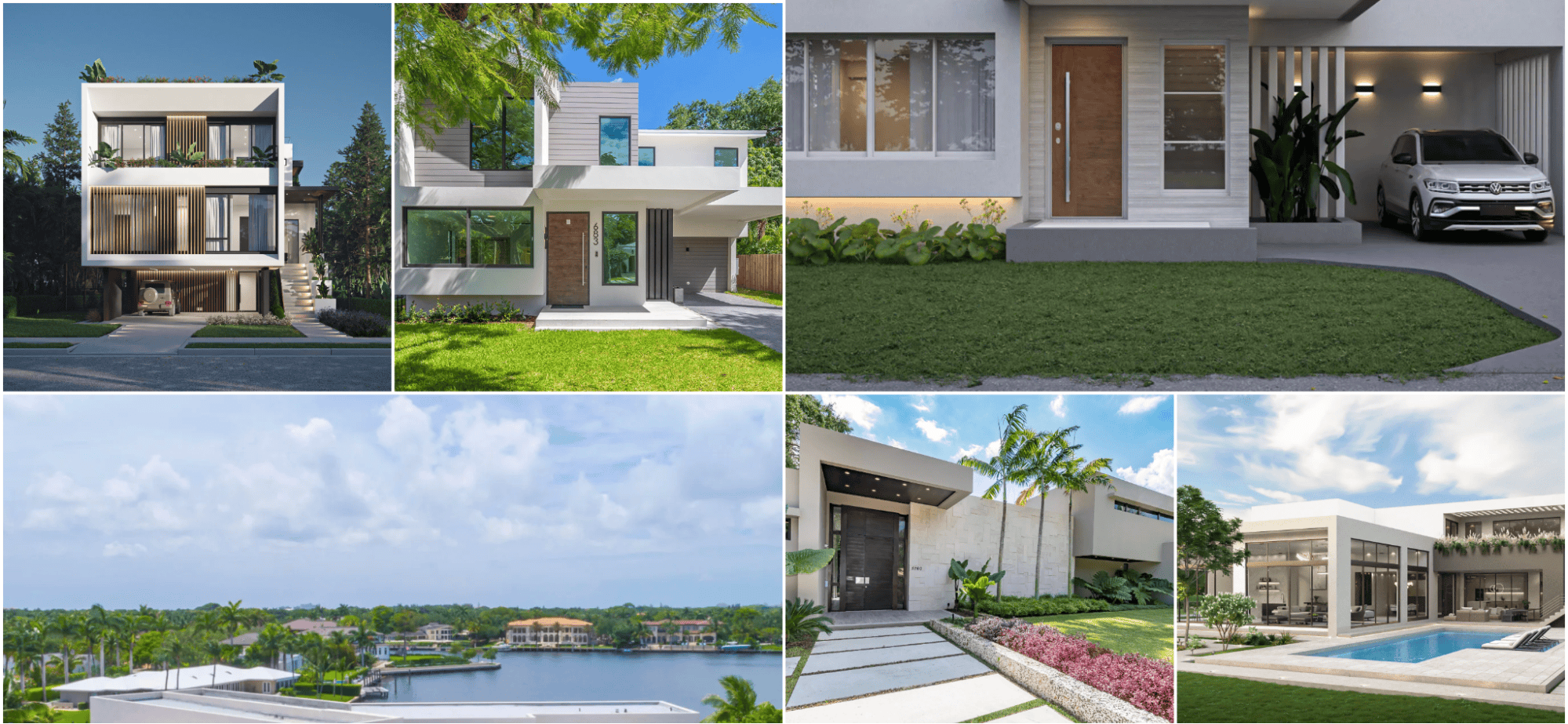
You don’t have to navigate the permit office or worry about HOA hikes alone.
Ready to move from “saving” to “building”? Let’s look at your portfolio and see if you are ready for the steady 5% or the growth of development.